
Miami-Dade · Broward · Palm Beach · Mon–Sat 8 AM–6 PM
Sump pump repair in Miami before the next heavy rain
Answer a few questions about the pump and the pit. You get a call back within 2 business hours, Mon–Sat 8 AM–6 PM.
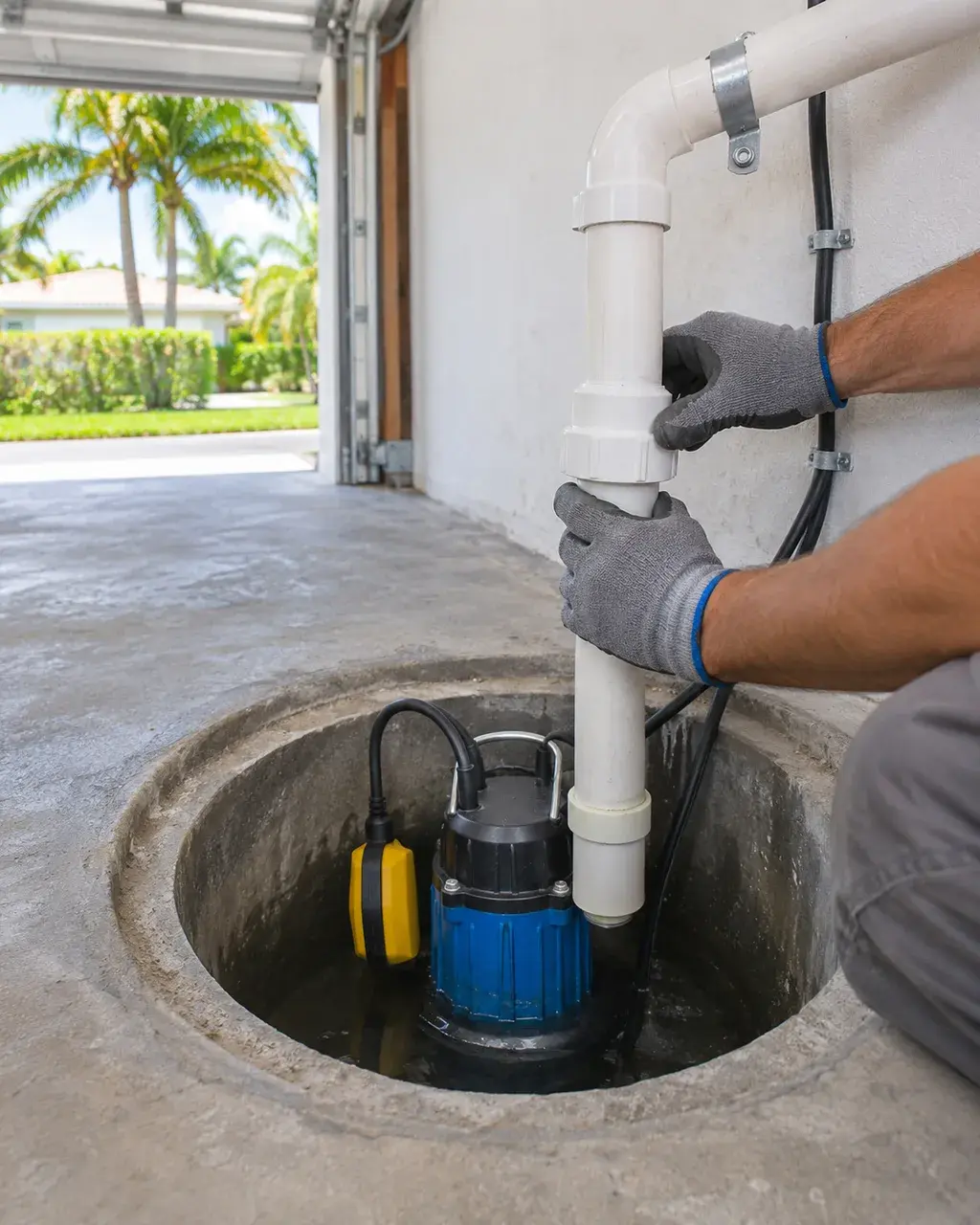
Sump pump repair
Sump pump repair and replacement for Miami homes and condos
Sump pump repair in Miami starts with a request. HVACServicesFlorida.com takes it and calls you back, then one insured contractor sends a plumber who checks the pump, the pit and the discharge line, photographs the fault and writes the price down before any repair begins. You pay after the work, with no deposit.
Most Miami homes sit on a slab, so basements are rare. Pumps here sit in garage, yard and building pits. The ground is the reason: Miami-Dade lies close to sea level and groundwater is just below the surface, so after heavy rain the water sometimes has nowhere to go.
Here is what the plumber handles on a sump pump system:
What the plumber handles
- A pump that will not start. The plumber tests the power, the float switch and the motor to find which part failed.
- A pump that runs nonstop. A stuck float, a failed check valve or a pit that fills too fast.
- Odd sounds. Grinding, rattling or humming from worn bearings, a damaged impeller or debris.
- A clogged pit or discharge line. Sand, silt and leaves that block the flow.
- A worn-out pump. The plumber explains replacement when a repair no longer makes sense.
A working pump moves rainwater out of the pit, though no pump keeps a garage dry in every storm. Hours are Monday to Saturday, 8 AM to 6 PM. A request sent after 6 PM or on Sunday gets a call the next morning.
Service area
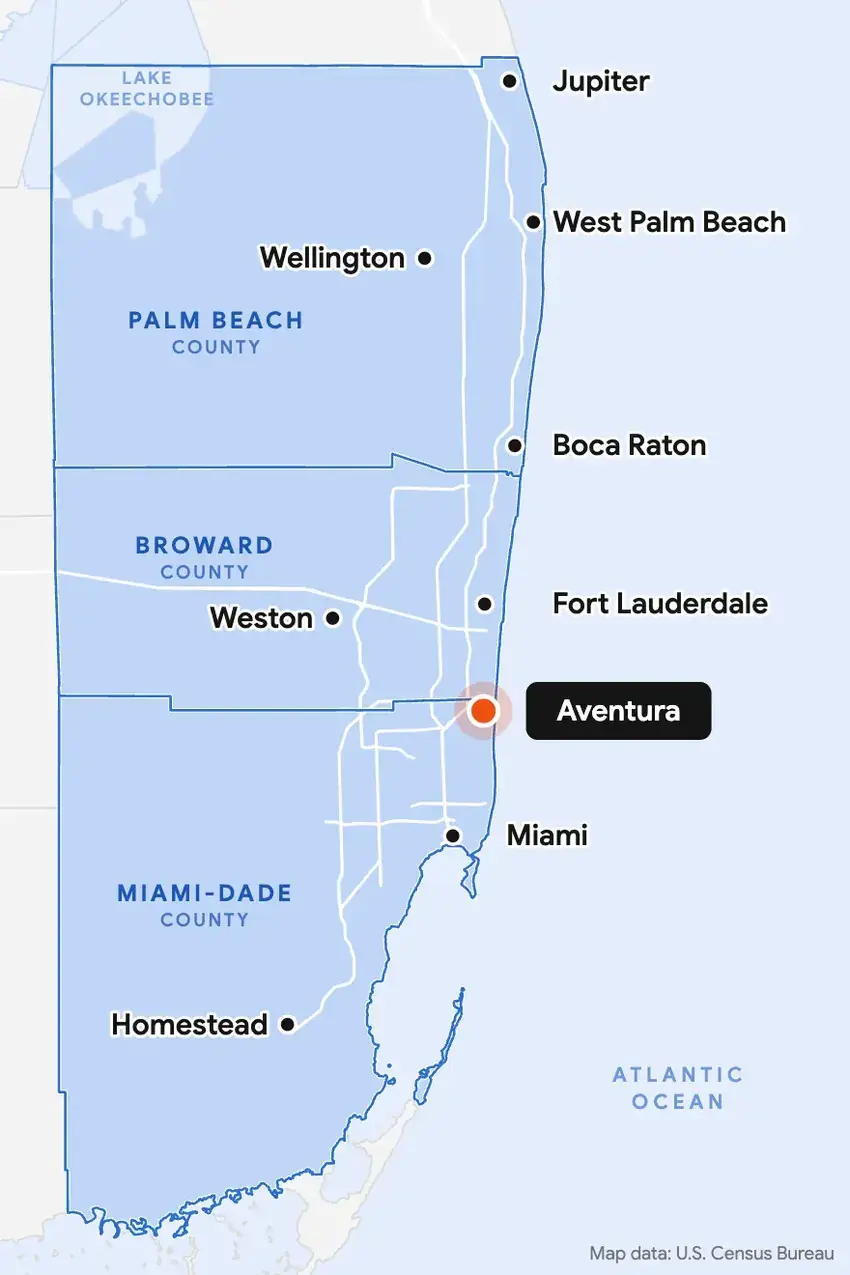
HVAC service across Miami-Dade, Broward and Palm Beach
Based in Aventura, between Miami and Fort Lauderdale.
Miami-Dade
Miami, Miami Beach, Aventura, North Miami, Coral Gables, Doral, Hialeah, Kendall, Key Biscayne, Miami Gardens, Miami Lakes, Pinecrest, Palmetto Bay, Cutler Bay, Homestead
Broward
Fort Lauderdale, Hollywood, Hallandale Beach, Pembroke Pines, Miramar, Davie, Plantation, Sunrise, Weston, Cooper City, Coral Springs, Coconut Creek, Tamarac, Pompano Beach, Deerfield Beach
Palm Beach
Boca Raton, Delray Beach, Boynton Beach, Lake Worth, West Palm Beach, Wellington, Royal Palm Beach, Palm Beach Gardens, Jupiter
- +1 (305) 686-8458call or WhatsApp
- 3285 NE 184th St, Aventura, FL 33160
- Mon–Sat 8:00 AM–6:00 PM
Where the pump works
Where sump pumps work in Miami and what each pit needs
A sump pump moves water out of a low pit before it reaches the floor. In Miami that pit is rarely in a basement, and each location has its own weak point. The plumber looks at the pit first and writes the repair on an estimate that you approve before work starts.
Garage pit
Garages below street level collect rain from the driveway. Sand and silt wear the pump, so the plumber checks the pit and the float.
Yard and low-lying lots
A low corner of the yard holds water for days after a storm. If a pump sits there, a clogged outlet is the usual reason it stops.
Crawl space
A pit under a raised house can sit unused for months, so a stuck float often goes unnoticed.
Condo and building pits
Parking garages and elevator pits in condo buildings often have a pump. If your pit belongs to a building, say so on the request and the plumber looks at it on the visit.
Float switch and check valve
The two small parts that fail most often. A stuck float keeps the pump off or on, and a worn check valve lets water fall back into the pit.
Discharge line
The pipe that carries the water out. In many places, sump water may not go into the sanitary sewer, so the plumber settles where it drains before the work.
An air conditioner may have its own small pump for condensate, which is a different job. For a wet floor under the unit, see AC leaking water repair. If sewage comes up instead of rainwater, see sewer line service. For a clogged drain inside the house, see drain cleaning, and for water from a hidden pipe, see leak detection.
HVAC service terms you can check before you call
Our terms
2 hours
A call back within two hours, Mon–Sat 8 AM–6 PM
Same day
A visit the same day for requests before noon, when a slot is open
2 years
Written labor warranty on repairs and installations
$0 upfront
Repairs are paid after the work is done
Pump warning signs
Signs a sump pump is failing and what to do before the plumber comes
A sump pump fails quietly, and the first sign is often water in the pit that does not go down. The pump, the float switch and the check valve each fail in their own way, so the sign tells you roughly which part to blame. Use the table while you wait for the plumber.
| What you notice | What it usually means | What to do now |
|---|---|---|
| The pump does not start when the pit fills | A stuck float switch, a tripped breaker or a dead motor | Check the breaker, and keep items off the floor around the pit |
| The pump runs without stopping | A float that sticks open, a failed check valve or water coming in faster than the pump moves it | Do not unplug it if water is rising |
| Loud grinding or rattling | Worn bearings, debris or a damaged impeller | Send a request before the motor burns out |
| The pump cycles on and off every few minutes | Water flowing back into the pit through a worn check valve | Mention it on the request |
| Water stands in the pit with the pump silent | A failed pump, a stuck float or no power | Keep people and electrical items away from the water |
A sump pump typically lasts about 7 to 10 years with good care. Debris, sand and heavy use shorten it. Routine maintenance helps prevent failure before storm season in South Florida, and a pump that protects the property from water damage is worth a check each year.
Test the pump before the rainy season, which runs through the summer and early fall. Pour a bucket of water into the pit: the float should rise, the pump should start and empty the pit, and the water should not drain back. If the pump is slow, loud or silent, send a request while the weather is dry. Power outages are the other weak point, since the pump cannot operate without electricity: a generator keeps it running. For other leaks in the house, start with plumbing services.
How it works
How HVAC service works, from request to repair
Send a request
A few taps: what's wrong, where, and when you need it. Or call during business hours.
We call within 2 business hours
We confirm the problem, the service call price and your arrival window. Requests sent after 6 PM or on Sunday get a call the next business morning.
The technician arrives in a 2-hour window
The same day for morning requests with an open slot, otherwise the next business day. You get a text when the technician is on the way.
Price in writing, then the work
You see a photo of the problem and an itemized estimate before the repair starts. You pay after the work is done.
FAQ
What Miami homeowners ask about sump pump repair
How much does sump pump repair cost in Miami?
There is no one price: it depends on which part failed, the pit and how easy the pump is to reach, and a float switch is a different job from a new pump. After the plumber looks, the price is written down by line, and you approve it before any work begins. Payment comes after the work is done.
How long does a sump pump last?
About 7 to 10 years with good care, and less if the pump runs hard or sits in a pit full of sand and debris. If yours is near that age and starts to act up, ask the plumber whether a repair still makes sense.
Does a sump pit need cleaning?
A clogged pit is one of the things the plumber looks at during a repair. Sand, silt and leaves settle there and can jam the float or the impeller, so a pit that is clear gives the pump less to fight.
Why do Miami houses have sump pumps if there are no basements?
Homes here sit on slabs, but the ground is close to sea level and the water table is high. Garages below the street, crawl spaces, low lots and building pits can collect water after heavy rain, and a pump moves it out before it reaches the floor.
Who fixes a sump pump?
A plumber works on the pump, the pit, the check valve and the discharge line. HVACServicesFlorida.com takes your request and calls you first. One insured contractor does the work. You sign the work agreement with the contractor and pay the contractor directly, after the work is done.
Where should a sump pump drain?
Away from the foundation, and not into the sanitary sewer in many places. Rules can depend on the city and the flood zone, so the plumber confirms the discharge point before the work.
How fast can a plumber come for a sump pump?
A request sent before noon gets a same-day visit when a slot is open, otherwise the next business day. The visit window is 2 hours, and you get a text when the plumber is on the way. A request sent on Sunday is answered the next morning.
Didn't find your answer?
Ask it on the call. It comes within two hours during business hours.

Request service
Get your Miami HVAC problem looked at for an $89 service call
Send a request now and expect a call within two hours, Monday to Saturday. The service call is $0 when the repair is done on the same visit.
2. What data. Your name, phone number, the answers you leave in the forms on hvacservicesflorida.com and, for rentals, the tenant's contact details you give us.
3. Why. To call you back, confirm the problem and the service call price, schedule the visit and pass your request to the licensed and insured partner contractor who does the work. We don't send marketing messages without your separate consent.
4. How we store it. Requests come to us by email and through the request system of the Tilda website builder. Only the people who handle requests have access. We keep the data for as long as it is needed to answer you and for the work, and delete it on request.
5. Who we share it with. The partner contractor who does the work, and the services without which the request can't reach us: the website builder and email. We don't sell or publish your data.
6. Your rights. You can ask what data we hold, correct it or have it deleted: write to info@hvacservicesflorida.com or call +1 (305) 686-8458. To stop text messages, reply STOP.
7. Consent. By sending a request, you agree to the processing of your data on these terms. The full policy is at /privacy-policy.
Date: November 18, 2026.