
Miami-Dade · Broward · Palm Beach · Mon–Sat 8 AM–6 PM
Water softener installation in Miami, with the price in writing first
Answer a few questions about your home and your water. You get a call back within 2 business hours, Mon–Sat 8 AM–6 PM.
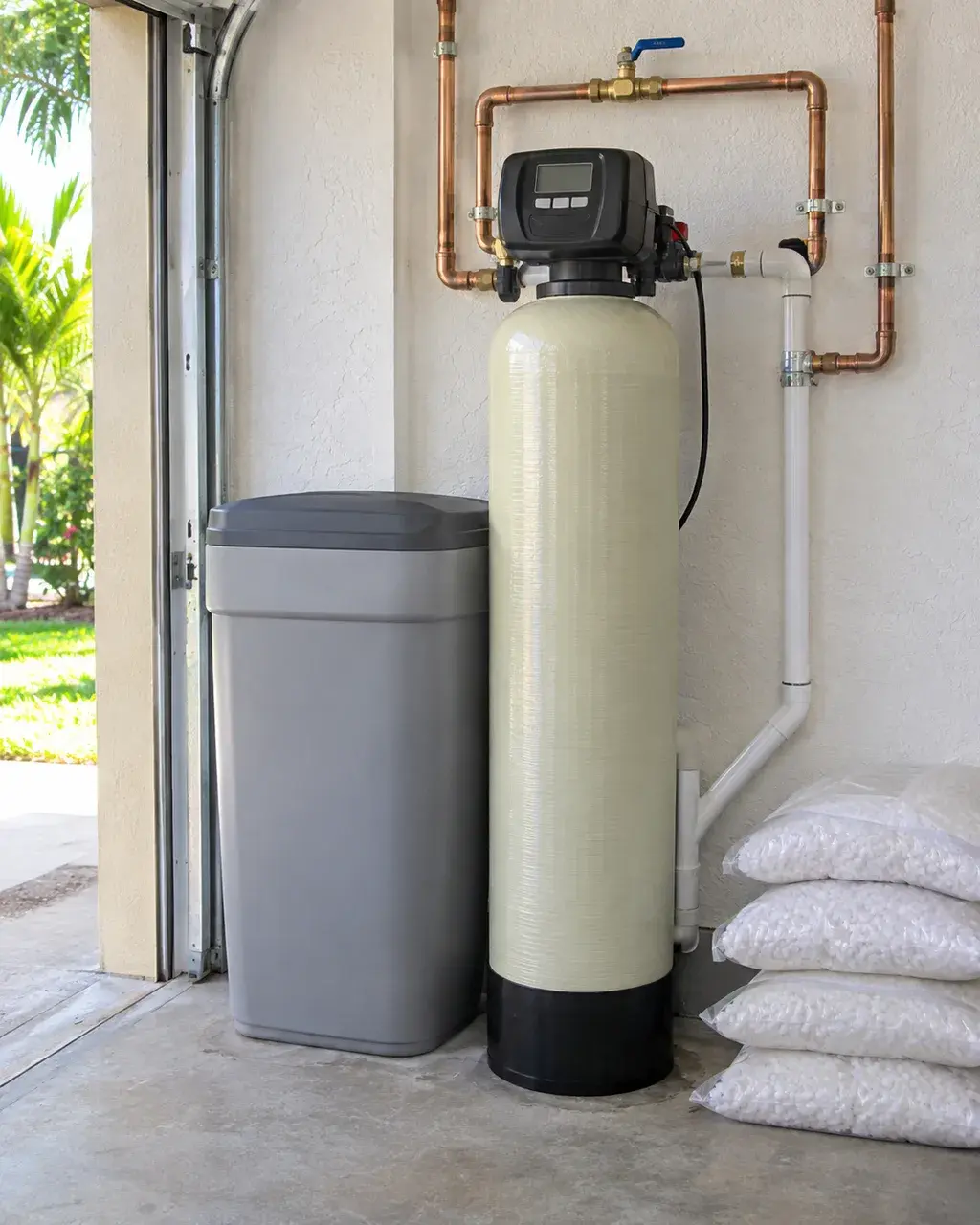
Water softenerMiami, FL
- Call back, business hours2 hrs
- HoursMon–Sat
- Service area3 counties
- Price before any workIn writing
Water softener
Water softener installation in Miami for homes with hard water
Whether a Miami home needs a water softener depends on how hard the water is at your tap. EPA WaterSense advises installing one only where hardness is substantial, for example above 180 mg/L (10 grains per gallon). HVACServicesFlorida.com sends one licensed contractor who installs a water softener and writes the price down before any work begins.
Miami-Dade gets its water from the Biscayne Aquifer, and South Florida utilities treat it at their plants, softening included. The utility's water quality reports describe the treatment but list no hardness figure, and how much hardness is left differs by neighborhood and by plant, so one number for the whole city would be a guess. Test strips from a hardware store or a lab test at your own tap give the real number.
A water softener installation covers:
- Sizing. The system is matched to your water's hardness, your daily water use and the number of people in the house.
- Plumbing connections. A typical installation ties into the main water line and a drain for the cleaning cycle.
- Setup. EPA advises a regeneration cycle that runs on water use, and the setup is discussed with you.
- Water heater and appliances. Softened water reaches the water heater and the appliances on the line.
A softener cuts the minerals that form scale in pipes, fixtures and appliances. Hard water is a nuisance, not a health issue, according to EPA. Scale on fixtures and appliances is the reason homeowners soften it. Tap “Get a call back”, answer a few questions, and the contractor calls to talk through your home.
How it works
How HVAC service works, from request to repair
Send a request
A few taps: what's wrong, where, and when you need it. Or call during business hours.
We call within 2 business hours
We confirm the problem, the service call price and your arrival window. Requests sent after 6 PM or on Sunday get a call the next business morning.
The technician arrives in a 2-hour window
The same day for morning requests with an open slot, otherwise the next business day. You get a text when the technician is on the way.
Price in writing, then the work
You see a photo of the problem and an itemized estimate before the repair starts. You pay after the work is done.
Hard water signs
Signs of hard water in a Miami home
Hard water leaves marks you can see: white crust on faucets, spots on glass, soap that will not lather. Calcium and magnesium cause them, and the more of them in the water, the faster scale builds up on fixtures and inside appliances. Here are the six signs most people notice.
White crust on faucets and showerheads
Scale builds up around the spray holes and the base of the faucet. A showerhead that sprays unevenly is a common first sign.
Spots on glasses and dishes
Dried water leaves a cloudy film on glassware and a white residue on dishes, even after the dishwasher.
Soap that does not lather
Hard water makes soap and shampoo foam less, so you use more of it, and a film can stay on the shower wall.
Stiff laundry and dull whites
Minerals stay in fabric after the wash. Towels and shirts can feel rough, and white clothes can look dull.
Dry-feeling skin and hair
Some people notice skin and hair that feel dry after a shower. EPA says hard water is not a health concern. If your skin is irritated, ask a doctor.
Scale inside the water heater and appliances
Minerals settle as scale on heating elements and in washing machines and dishwashers. If your water heater is rumbling or running out of hot water fast, see water heater service in Miami.
To put a number on it, USGS rates water below 60 mg/L as soft, 61 to 120 as moderately hard, 121 to 180 as hard and above 180 as very hard. A test shows where your home sits on that scale.
Service area
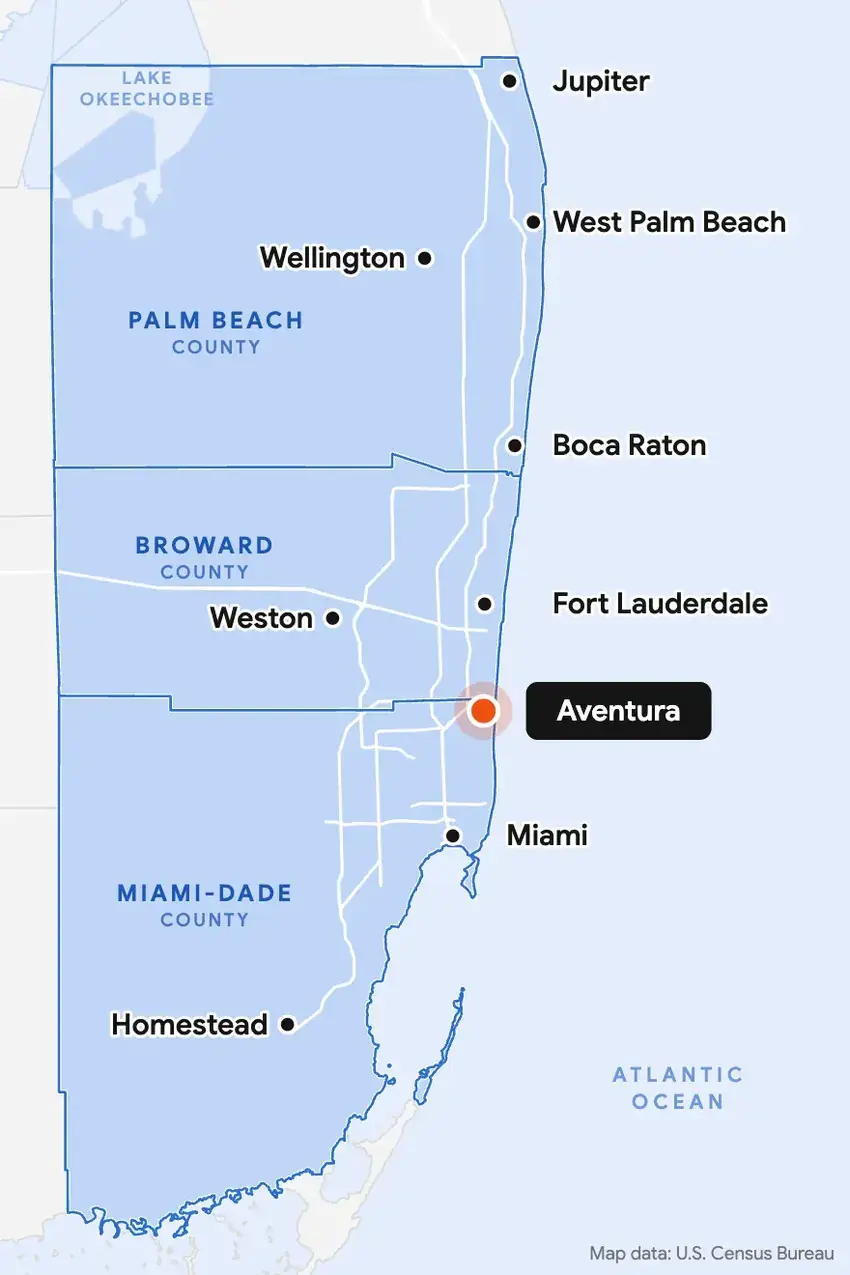
HVAC service across Miami-Dade, Broward and Palm Beach
Based in Aventura, between Miami and Fort Lauderdale.
Miami-Dade
Miami, Miami Beach, Aventura, North Miami, Coral Gables, Doral, Hialeah, Kendall, Key Biscayne, Miami Gardens, Miami Lakes, Pinecrest, Palmetto Bay, Cutler Bay, Homestead
Broward
Fort Lauderdale, Hollywood, Hallandale Beach, Pembroke Pines, Miramar, Davie, Plantation, Sunrise, Weston, Cooper City, Coral Springs, Coconut Creek, Tamarac, Pompano Beach, Deerfield Beach
Palm Beach
Boca Raton, Delray Beach, Boynton Beach, Lake Worth, West Palm Beach, Wellington, Royal Palm Beach, Palm Beach Gardens, Jupiter
- +1 (305) 686-8458call or WhatsApp
- 3285 NE 184th St, Aventura, FL 33160
- Mon–Sat 8:00 AM–6:00 PM
System types
Salt-based softener, salt-free system or a separate water filter
A salt-based softener removes the calcium and magnesium that cause scale, using a process called ion exchange. A salt-free system does not remove them, and a water filter is a different device with a different job. Which one fits depends on what you want to fix.
| System | What it does | Good to know |
|---|---|---|
| Salt-based softener | Swaps calcium and magnesium for sodium, so fewer scale-forming minerals stay in the water | Cleans itself with a regeneration cycle that uses roughly 20 to 70 gallons of water |
| Salt-free system | Does not remove calcium and magnesium | Hardness stays in the water, so scale can still form |
| Softener plus water filter | Two separate devices installed on the same line | A softener treats hardness only, so filtration for drinking water is its own decision |
Two points are worth knowing before you choose. First, a salt-based unit adds sodium, roughly half the amount of hardness it removes, according to UF/IFAS. If someone in the house follows a low-sodium diet, ask a doctor. Second, EPA suggests choosing a model certified to NSF/ANSI 44, the standard for salt-regenerated softeners, and a regeneration cycle that runs on water use, not on a timer.
What to put in your request:
- Whether the home is a house or a condo, and how many bathrooms it has
- Any hardness test result you already have
- The water heater's location, if you know it
A salt-based unit needs salt added to the brine tank from time to time, and a unit set up properly protects the home from scale.
HVAC service terms you can check before you call
Our terms
2 hours
A call back within two hours, Mon–Sat 8 AM–6 PM
Same day
A visit the same day for requests before noon, when a slot is open
2 years
Written labor warranty on repairs and installations
$0 upfront
Repairs are paid after the work is done
FAQ
Questions about water softener installation in Miami
Do I need a water softener in Miami, FL?
Only if the water at your tap is hard enough to cause scale. EPA WaterSense puts the example threshold at 180 mg/L or 10 grains per gallon. Hardness differs by neighborhood, so test your own tap first. The signs on this page show what to look for.
How much does water softener installation cost in Miami?
The price depends on the system you choose and on how your plumbing is laid out, so there is no one number. The contractor puts the price in writing before any work begins. Send a request and mention a house or a condo, so the estimate fits your home.
Do I need a plumber to install a water softener?
The unit connects to your main water line and a drain, which is plumbing work. With us, a licensed contractor does the hookup. If you also have a leak or a water heater question, add it to the same request, and see plumbing services in Miami.
How much water does a softener use?
EPA WaterSense says a regeneration cycle uses about 20 to 70 gallons of water. A model that regenerates based on how much water you use, not on a fixed schedule, avoids cycles you do not need.
Does a water softener add salt to my water?
A salt-based softener swaps hardness minerals for sodium, and roughly half of the hardness removed comes back as sodium, according to UF/IFAS. Removing 50 mg/L of hardness adds about 25 mg/L of sodium. Anyone on a low-sodium diet should ask a doctor.
Does a water softener filter my water?
No. A softener removes calcium and magnesium. It is not a water filter, and filtering your drinking water is a separate device and a separate decision. The system table on this page shows how the two fit together.
Can hard water hurt my water heater?
Scale settles on heating elements and in the tank, and it can cause rumbling and slow heating. A softener cuts the minerals that form it. For a heater that is already failing, see water heater service in Miami.
Who connects the softener to my plumbing, and where do you work?
A licensed contractor does the hookup, as in the answer on plumbing above. The work covers Miami-Dade, Broward and Palm Beach. HVACServicesFlorida.com takes your request and calls you back within 2 business hours, Mon–Sat 8 AM–6 PM.
Didn't find your answer?
Ask it on the call. It comes within two hours during business hours.
Request service
Get your Miami HVAC problem looked at for an $89 service call
Send a request now and expect a call within two hours, Monday to Saturday. The service call is $0 when the repair is done on the same visit.
2. What data. Your name, phone number, the answers you leave in the forms on hvacservicesflorida.com and, for rentals, the tenant's contact details you give us.
3. Why. To call you back, confirm the problem and the service call price, schedule the visit and pass your request to the licensed and insured partner contractor who does the work. We don't send marketing messages without your separate consent.
4. How we store it. Requests come to us by email and through the request system of the Tilda website builder. Only the people who handle requests have access. We keep the data for as long as it is needed to answer you and for the work, and delete it on request.
5. Who we share it with. The partner contractor who does the work, and the services without which the request can't reach us: the website builder and email. We don't sell or publish your data.
6. Your rights. You can ask what data we hold, correct it or have it deleted: write to info@hvacservicesflorida.com or call +1 (305) 686-8458. To stop text messages, reply STOP.
7. Consent. By sending a request, you agree to the processing of your data on these terms. The full policy is at /privacy-policy.
Date: November 18, 2026.